
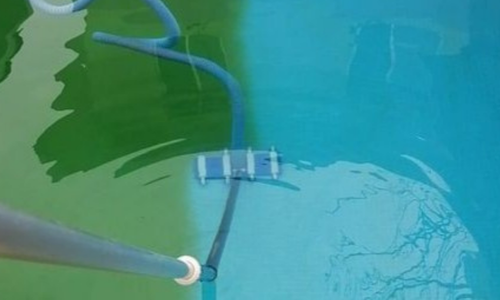
Algae growth in pools occurs when microscopic spores, carried into the water by wind or rain, combine with sunlight and inadequate disinfection. This condition, which causes the water to quickly turn green, become cloudy, and makes surfaces slippery, is a serious hygiene problem rather than just an aesthetic issue.
Essential Steps to Prevent Algae Growth
The best way to fight algae is to never give them a chance to breed. To achieve this, the following steps must be considered:
- Regular Chlorine and pH Control: The pH level of the water should be kept between 7.2 - 7.6, and the free chlorine level should never drop below standards.
- Using Algaecide: To support the chlorine, a high-quality algaecide should be used during weekly routine maintenance.
- Brushing the Surfaces: Algae spores usually start multiplying by clinging to pool walls and grout lines. Brushing the pool walls at least once a week prevents this clinging.
- Shocking the Pool: After heavy usage, severe rain, or extreme heat, the water should be shocked (super-chlorinated) to rapidly break down organic waste.
The Critical Role of Filtration and Circulation
Stagnant water is the ideal breeding ground for algae. No matter how correctly chemicals are used, if the pool water is not circulated enough, algae growth is inevitable. The filter system must run for at least 8-12 hours a day (depending on air temperature), and the water must reach every point of the pool, leaving no "dead zones".
Permanent Engineering Solutions with Anatolia Pool & Spa
The secret to preventing algae growth lies in proper hydraulic design. At Anatolia Pool & Spa, we install special nozzle placements, powerful pump systems, and fully automated chemical dosing units that perfect water circulation in every pool we build from scratch.
Contact us for a professional pool project where your water always stays crystal clear and healthy, and the maintenance burden is minimized.
Web: www.anatoliapoolspa.com