As air temperatures drop and pool usage decreases or ceases entirely, pool chemical usage changes significantly during winter. Stopping chemical additions altogether in winter is a critical mistake; however, continuing summer dosing routines leads to chemical waste and equipment corrosion.
Dropping Temperatures and Shifting Chemical Needs
Falling water temperatures directly impact pool biology and chemical solubility:
- Reduced Chlorine Demand: Weaker ultraviolet (UV) sunlight slows down chlorine degradation. In water below 15°C (59°F), bacterial reproduction slows dramatically, reducing chlorine demand by 70% to 80%.
- pH and Alkalinity Control: Rain and snow are naturally acidic. Heavy precipitation lowers pool pH and total alkalinity. Keeping the pH between 7.2 and 7.6 is essential to protect grout and metal components from corrosion.
- Algae Prevention: Even in cold weather, stagnant water and insufficient sanitation can harbor algae spores. Periodic inspection remains necessary.
Specialized Winterizing Chemicals
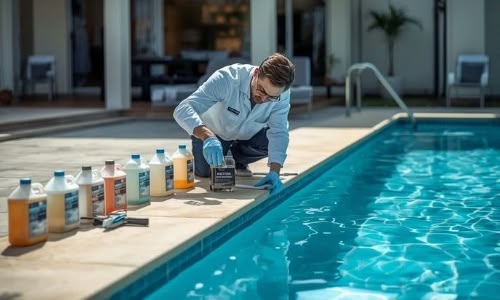
If the pool is not actively used during winter (winterized mode), specialized long-lasting winter protection chemicals replace daily routines:
- Winter Algaecides: Concentrated, slow-release formulas designed to suppress algae development over the colder months.
- Scale Inhibitors: Prevent calcium and minerals, which precipitate more readily in cold water, from forming hard deposits on pool surfaces and plumbing circuits.
Smart Winterization Technologies with Anatolia Pool & Spa
Maintaining proper chemical balance throughout the winter reduces spring recommissioning costs by up to 90%. At Anatolia Pool & Spa, we engineer pool projects built from scratch with smart automated dosing systems and winterization infrastructures fully adapted for seasonal climate shifts.
Our automation units feature temperature sensors that adjust winter dosing according to real-time demands, eliminating chemical waste. Contact us to learn more about our winterization engineering solutions.
Web: www.anatoliapoolspa.com